
Mother’s Day is the day to finally plant your garden in East Idaho, right?
That’s what we’re often told, but what if you can plant sooner?
Gardening by Season
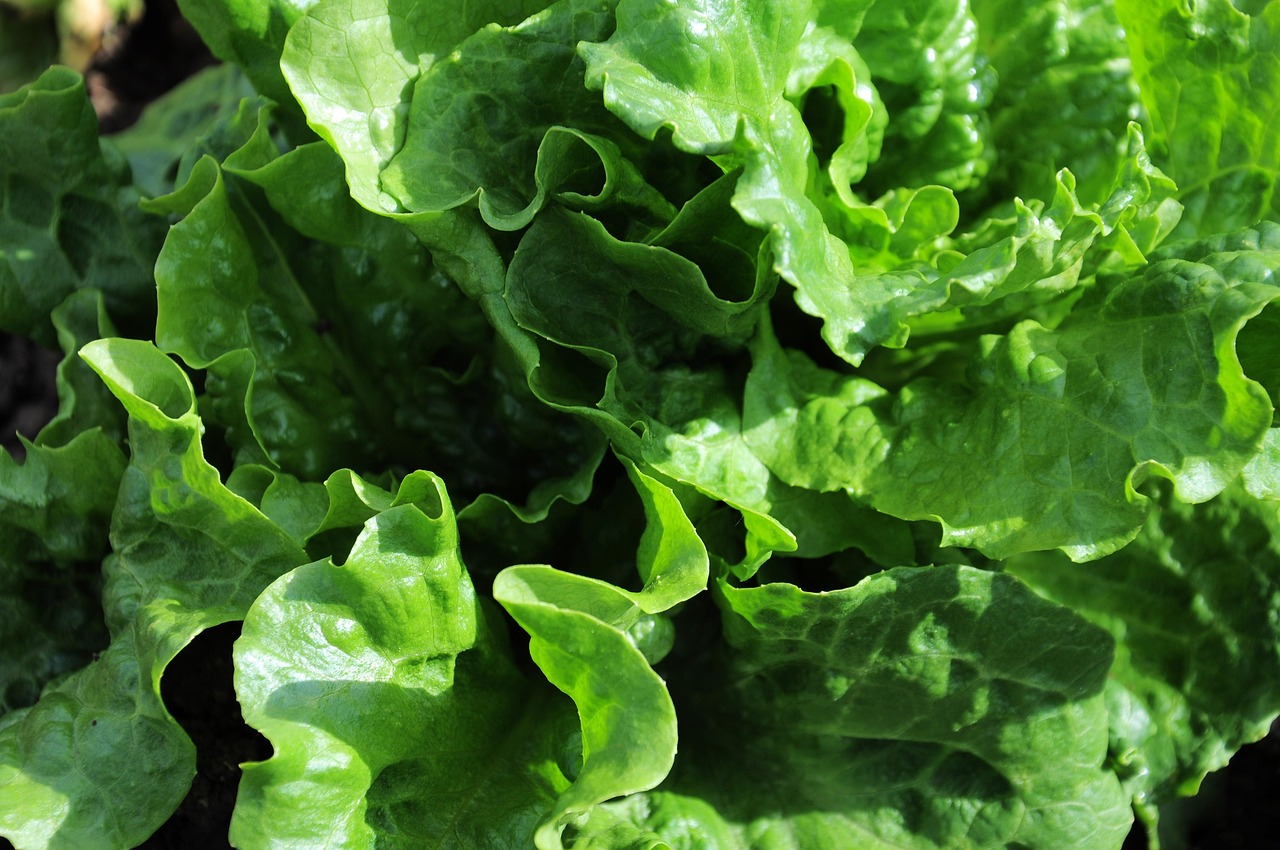
While it’s true that our last frost is usually in late April, there are several plants who are tolerant of frost and will grow sooner. Lettuce, for instance, can be planted up to a month earlier. Depending on your microclimate, you may even be able to push it earlier than that! Especially this year with the temperatures being so mild.
The cool season is when the average high is between 35 and 64º F. That means there will be frost, but not often a hard freeze. For Rexburg, that typically starts in March.
Here are a few things you can start doing now to be sure you’re ready to plant early.
Spring Cleanup
First things first, it’s time to clean up a bit.
It may have been a weird winter, but I think we all still hibernated a bit out of habit. Now is a good time to tidy things up a bit. Take a good look at your garden setup. Is there anything that needs a little fixing here and there?
Be sure to check:
- Edging – Is everything looking level and straight?
- Boxes – Did anything come loose during the winter?
- Covers – How are things wearing? Any holes?
- Soil – Do your beds need cleared of debris?
- Compost – Be sure to fill those beds to the top!
Spring Garden Plants
Now is a great time to start planning what you want to plant during the cool season.
To know what to plant, think salad:
- Leafy greens (lettuce, kale, spinach, arugula)
- Peas
- Onions
- Some herbs (cilantro, parsley, dill, chives, and fennel)
- Root vegetables (carrots, radishes, beets, turnips)
- Brassicas (broccoli, cabbage, cauliflower, Brussels sprouts)
The brassicas take longer to grow and do just fine during the warm season. Planting them now will give them more time to mature later.
Spring Garden Planning
Now that you know what to plant, you need to figure out how much to plant.
Take a good look at how your family eats. Do you have daily salads? Do you just love adding carrots to things? How about eating sugar snap peas straight from the vine? Figure out your eating habits and plan from there. Remember, we’re planning on this garden only lasting until the warm season (except for the herbs, brassicas, and onions).
You may find that your family eats a lot less out of the garden during this time, so you may not plant out all of your beds, and that’s just fine. Go with what works for your situation.
Now, figure out where you want to plant things. Remember, large blocks of the same kind of plant will attract pests, so try to mix things up a bit. A good rule of thumb to follow is: If you eat it together, it will grow well together.
Plant your biggest plants in the middle of your beds. In this case, it will almost always be the brassicas. Plant onions between each plant like a “:” to help repel pests. When you are done, the middle will look like this:
O:O:O:O:O:O
The tall leaves of the onions will grow taller than the large plants whose leaves like to spread more horizontally, and the smell of the onions will keep most of what like to snack on your bigger plants away.
You can also plant a clump of peas trained up an obelisk trellis, but I prefer putting my peas on a panel trellis or arch trellis near the end of the bed so I can snack on them easily.
In a ring around those plants, place your medium-sized plants like your lettuces, beets, and turnips.
Around these, plant your small plants, like spinach, carrots, parsnips, radishes, etc.
On the very edge of the beds, plant your herbs and supportive but cold-tolerant flowers. Herbs and flowers often attract pollinators and deter pests. This creates a ring of defense around your garden bed.
Fail Forward
As always, learn, learn, learn. You will have triumphs and failures with your spring garden, but you can glean those wonderful gems of knowledge from both. The most important thing is to be out in nature, getting your hands wonderfully dirty, and having fun. There is no perfection in the garden, no judgement, just love. So enjoy yourself!
